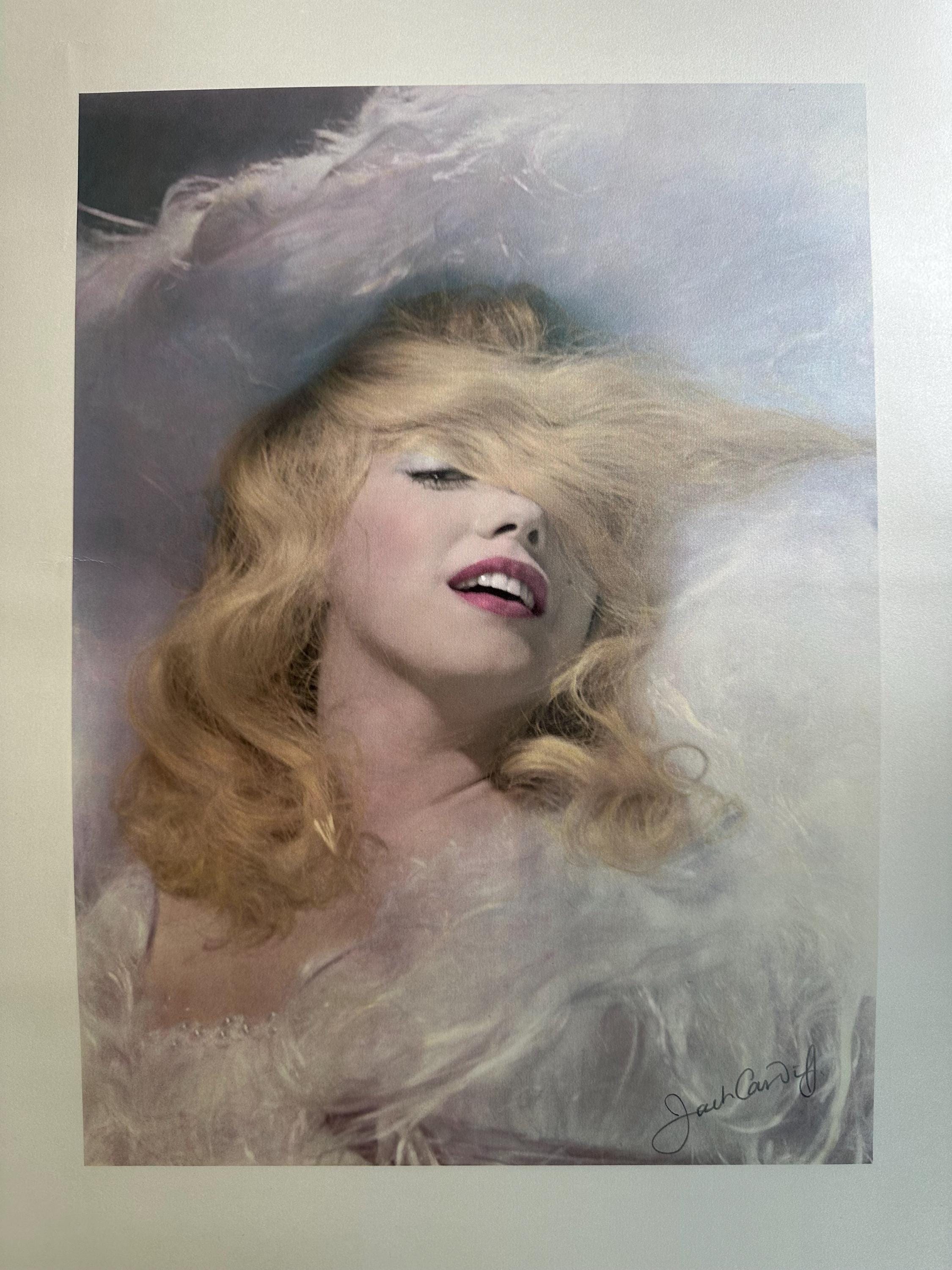

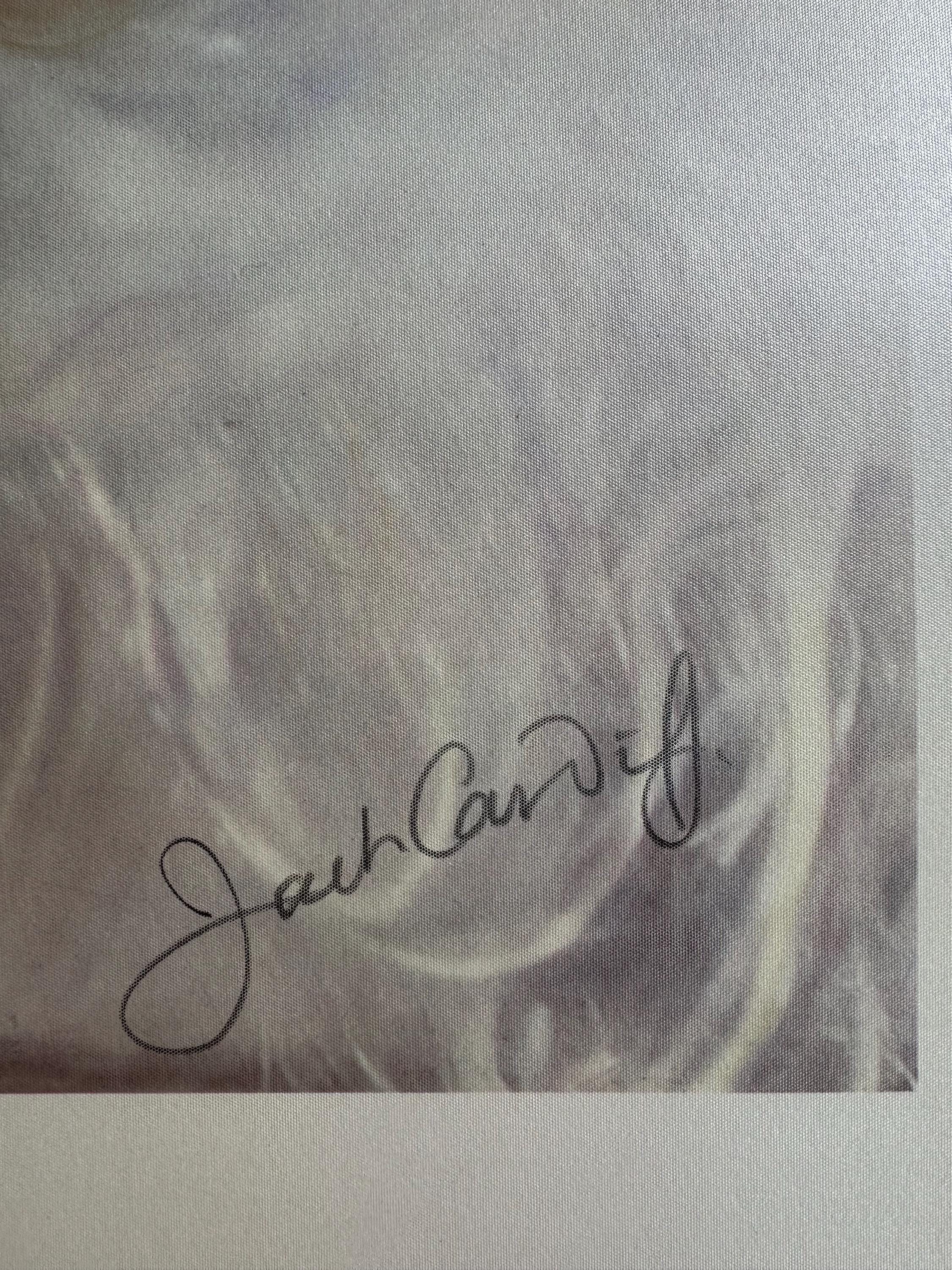
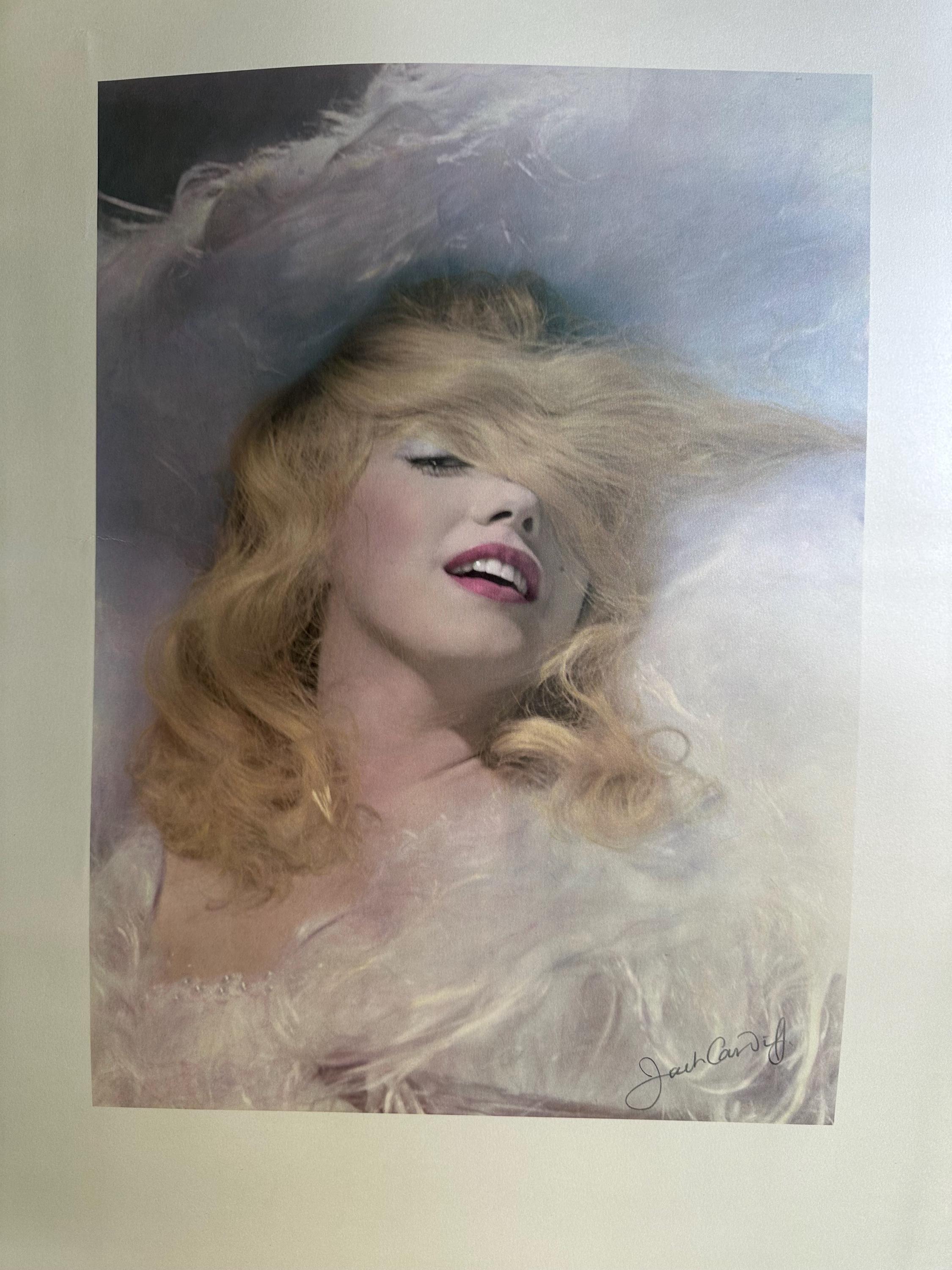
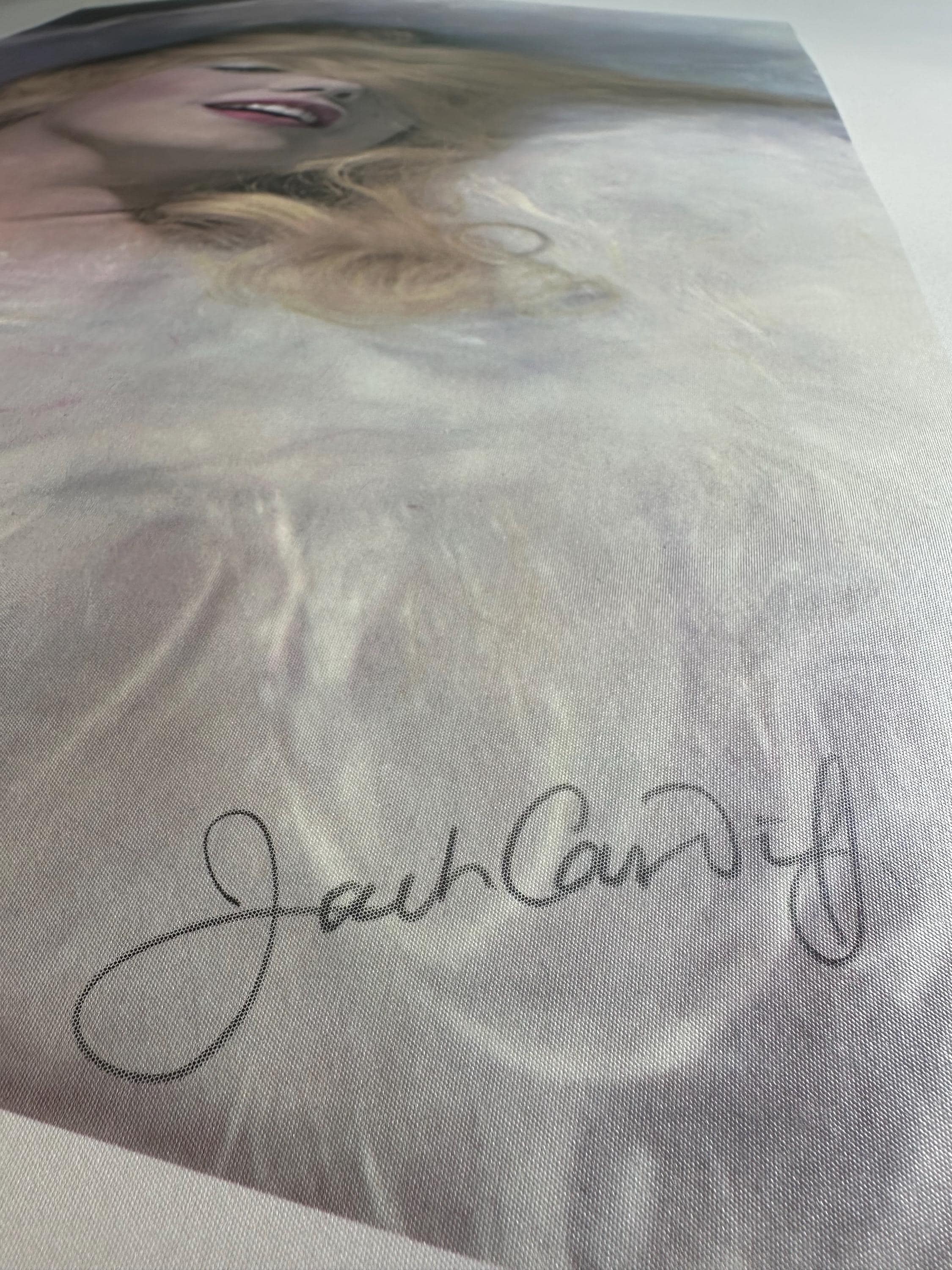
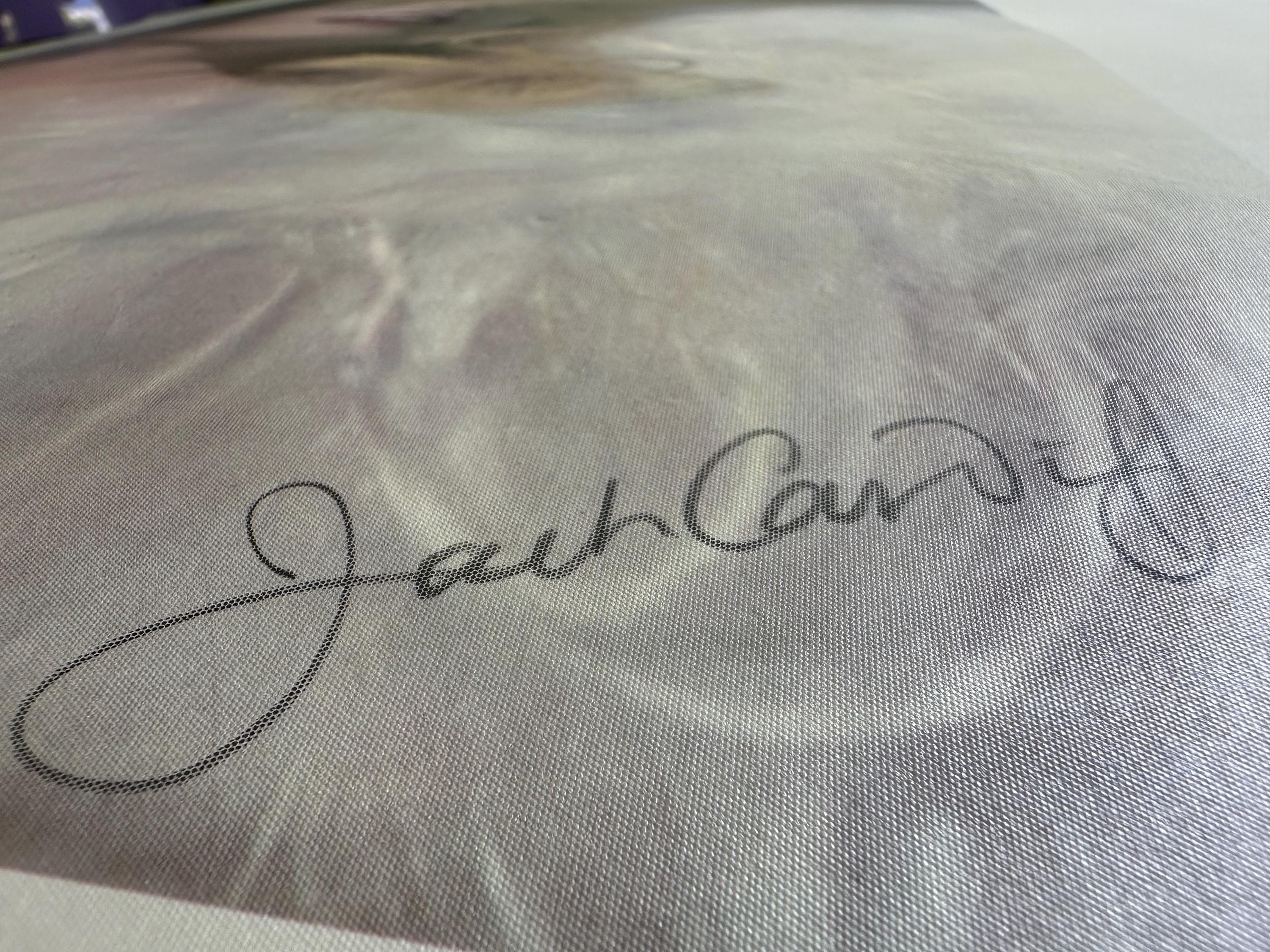
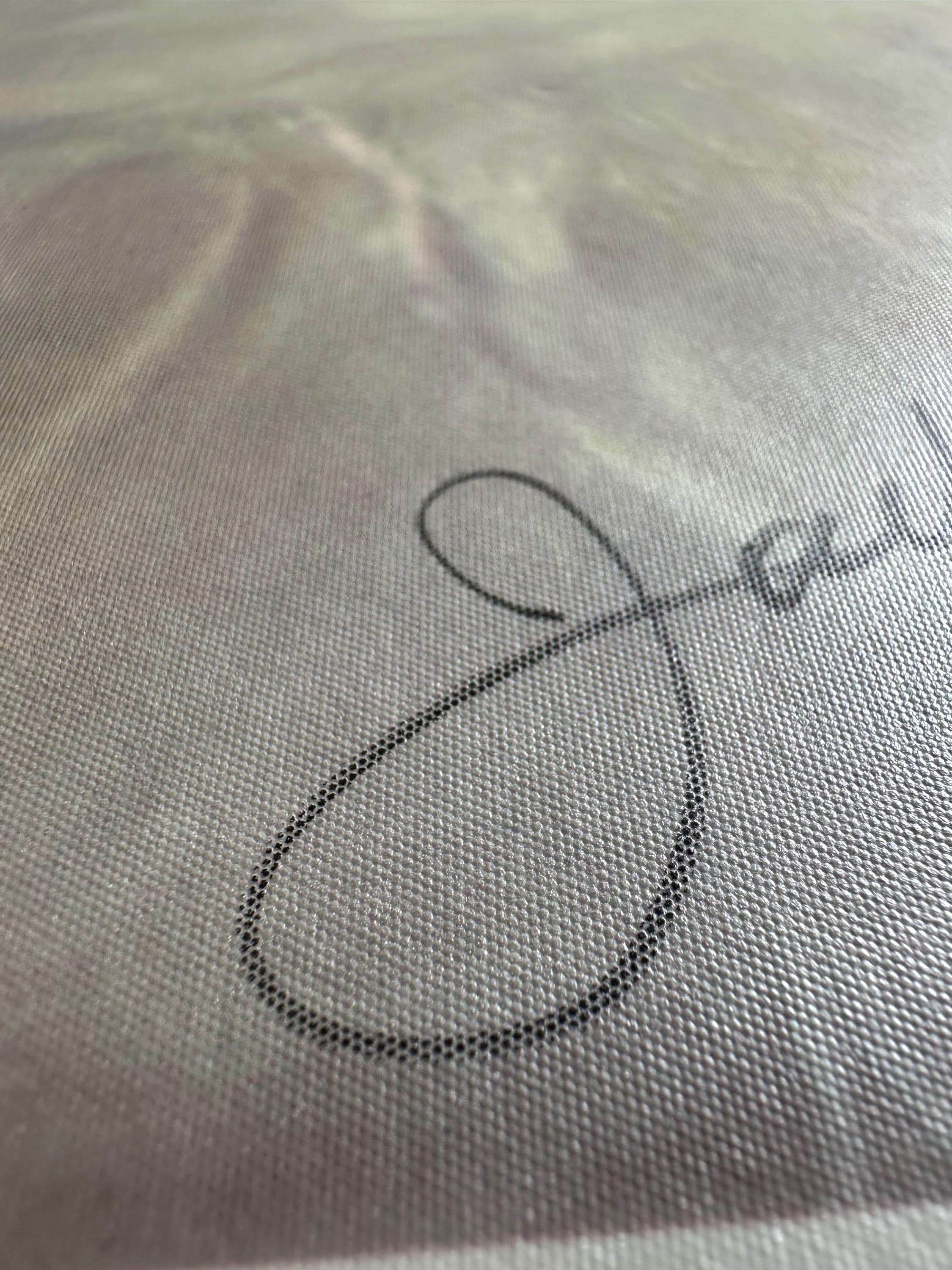
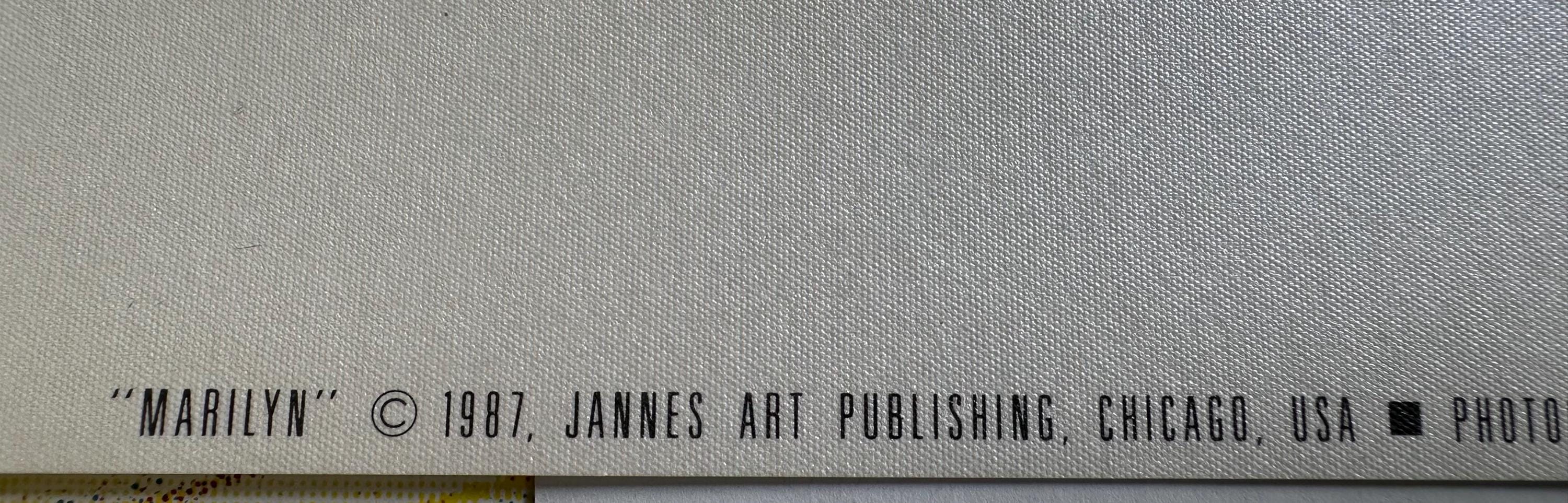
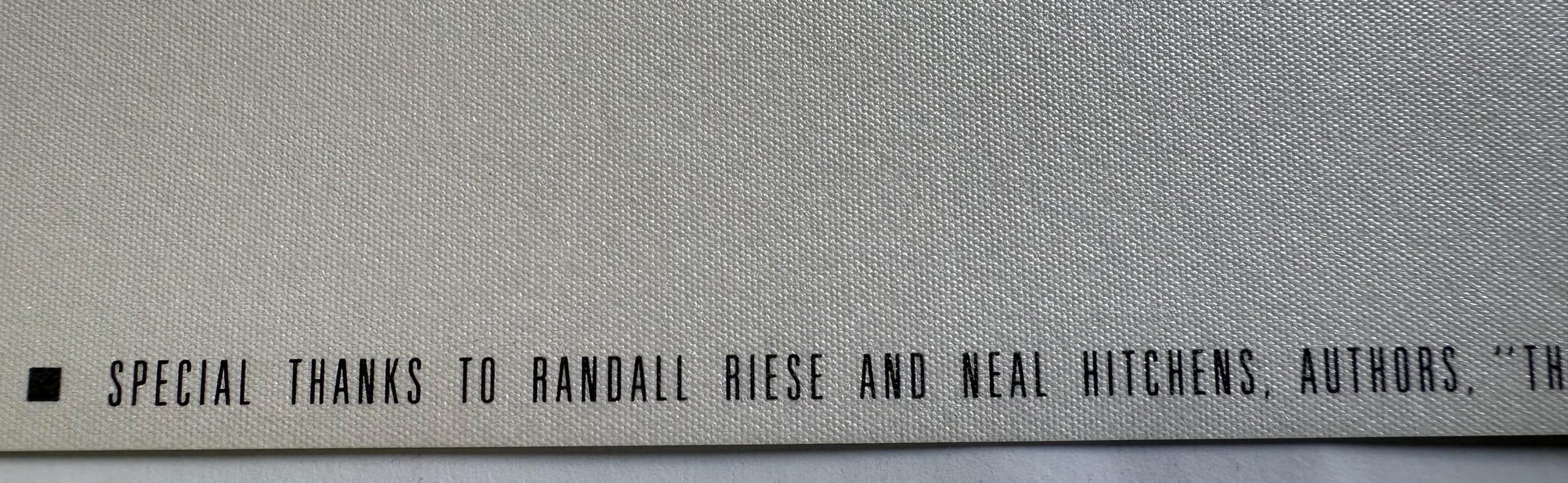
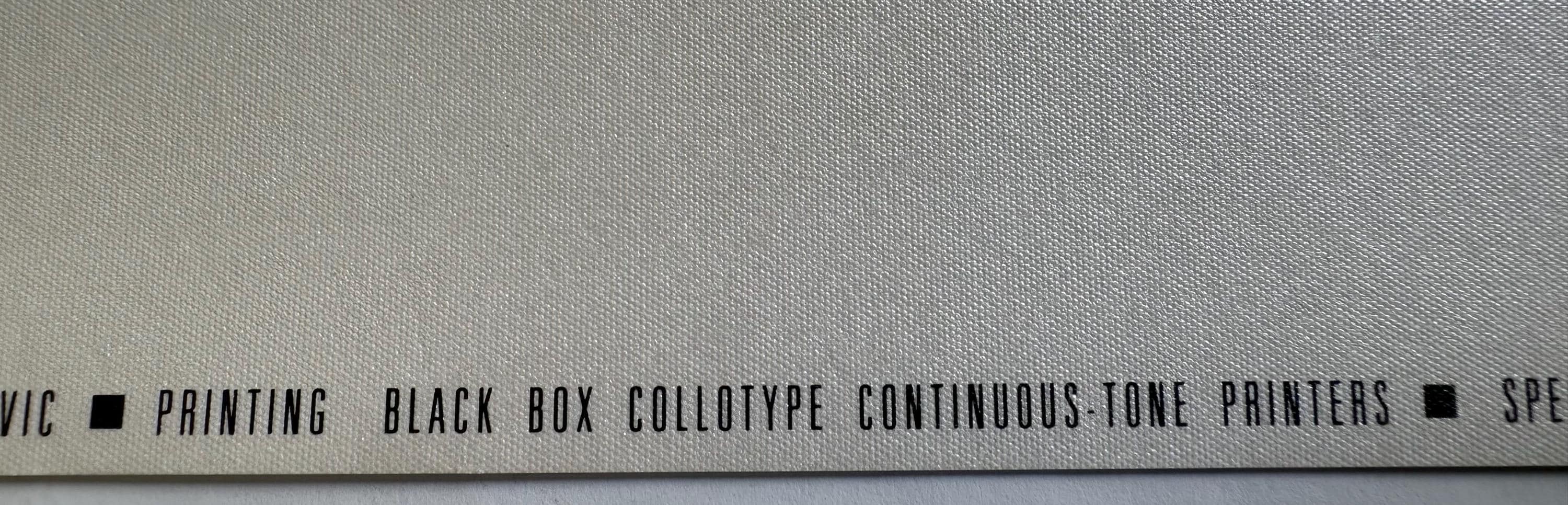
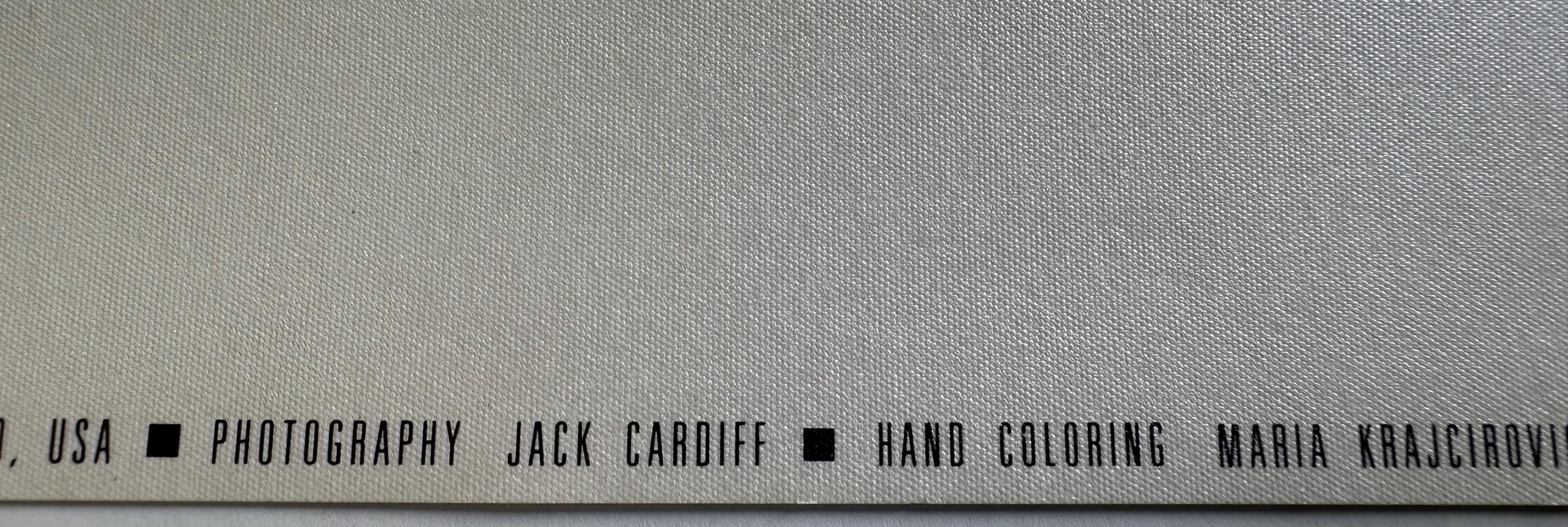
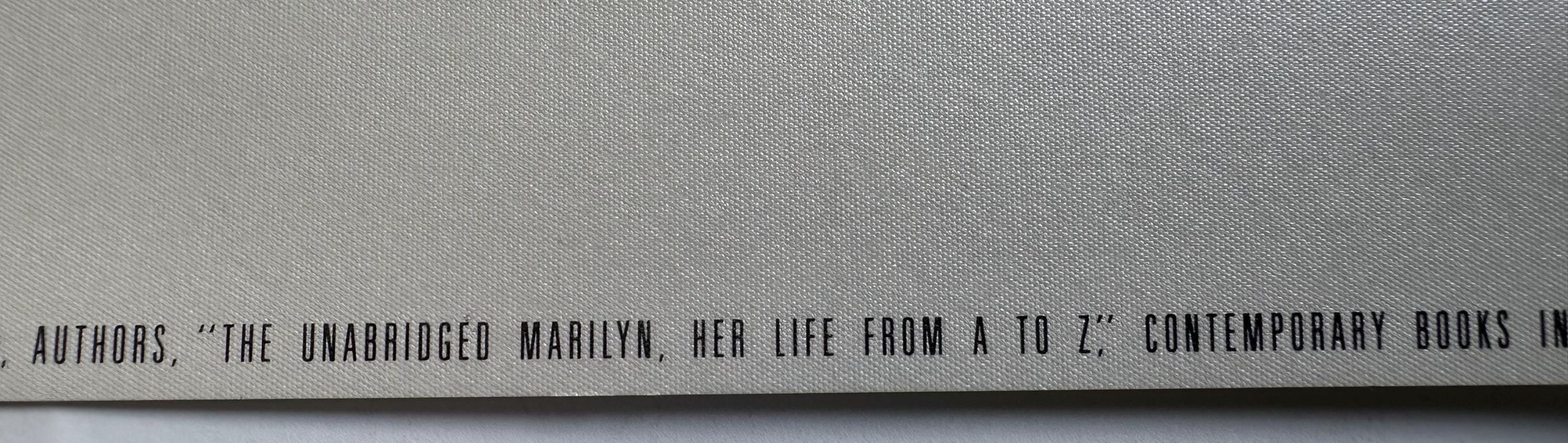
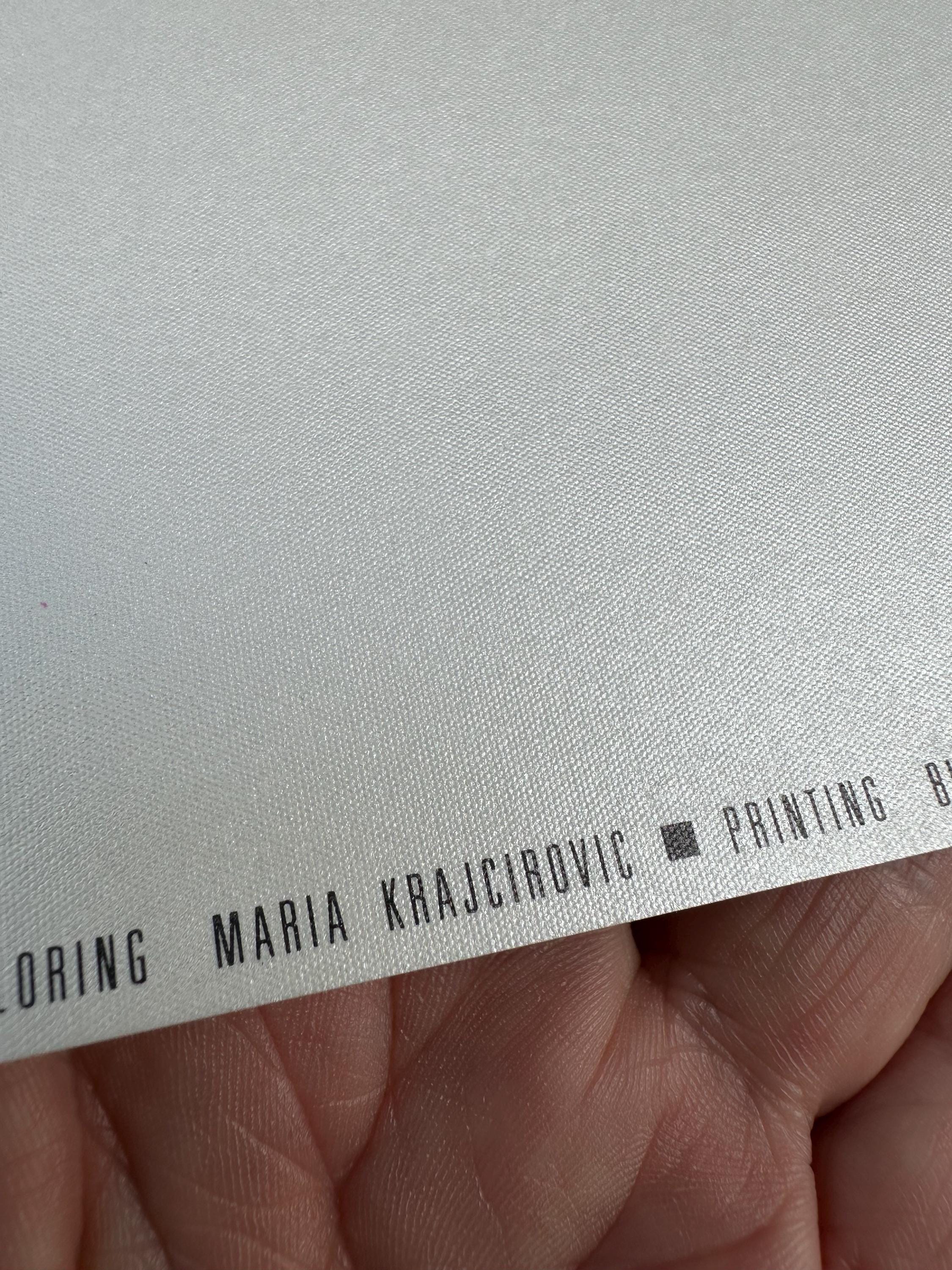
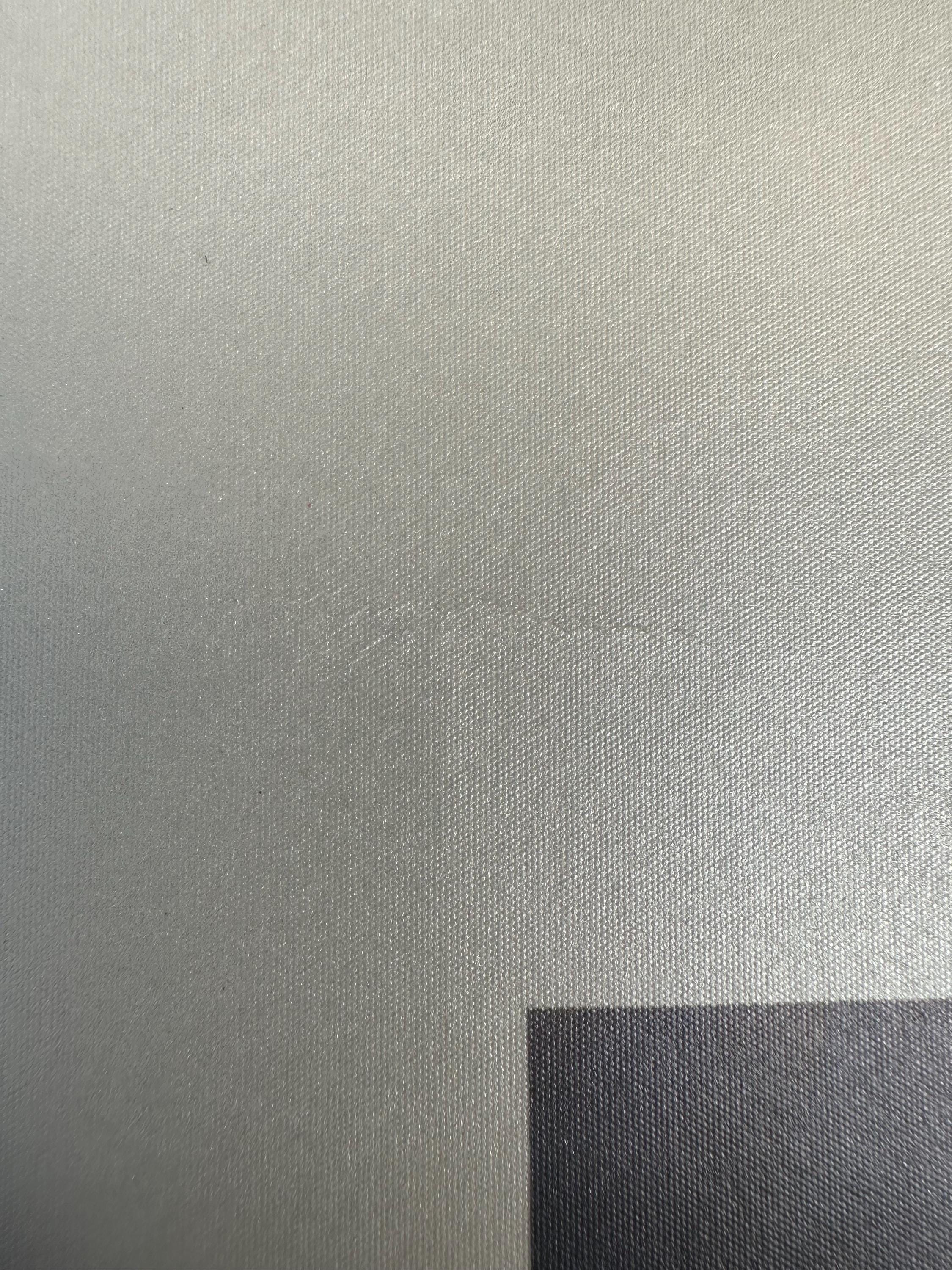
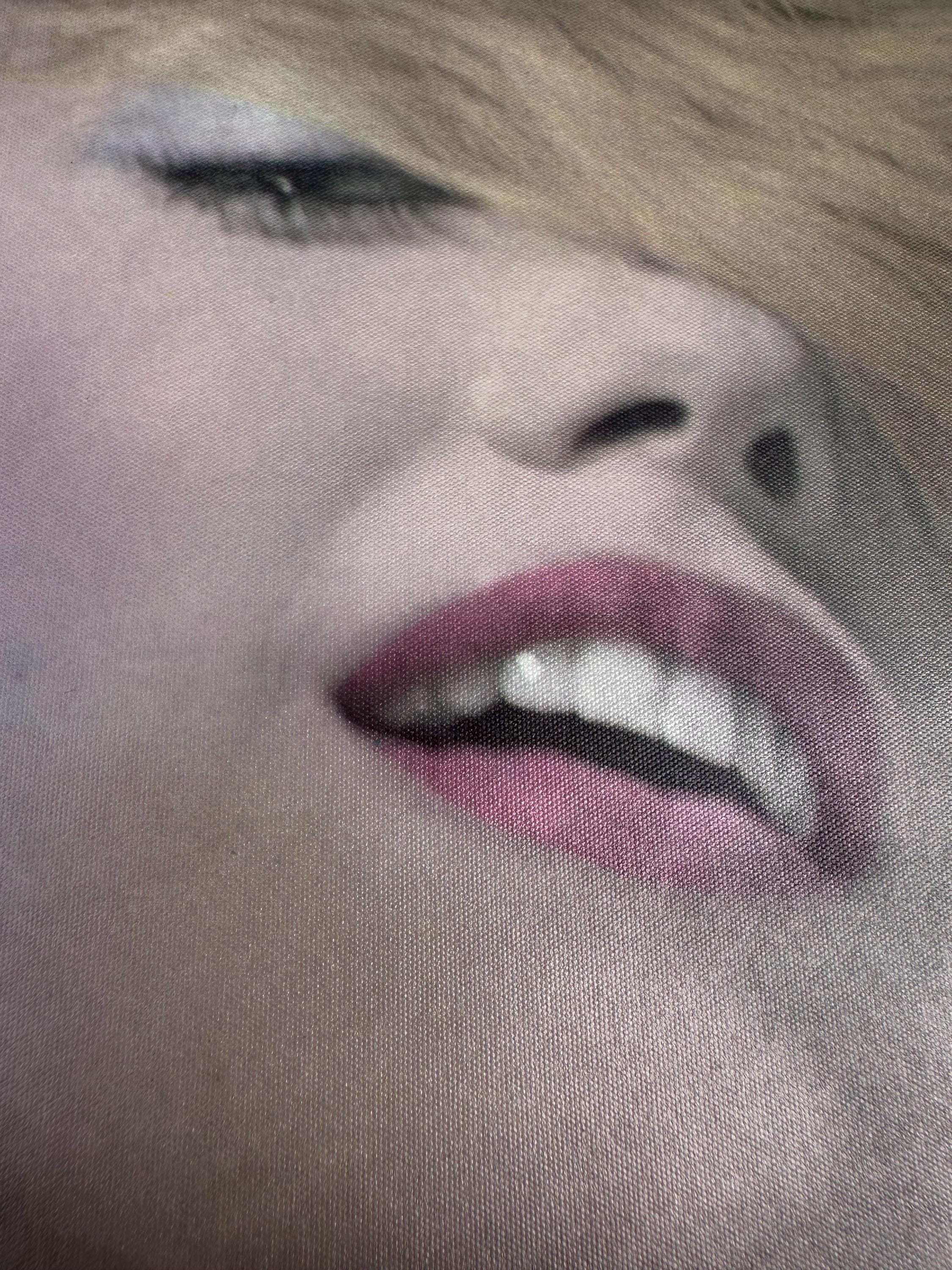
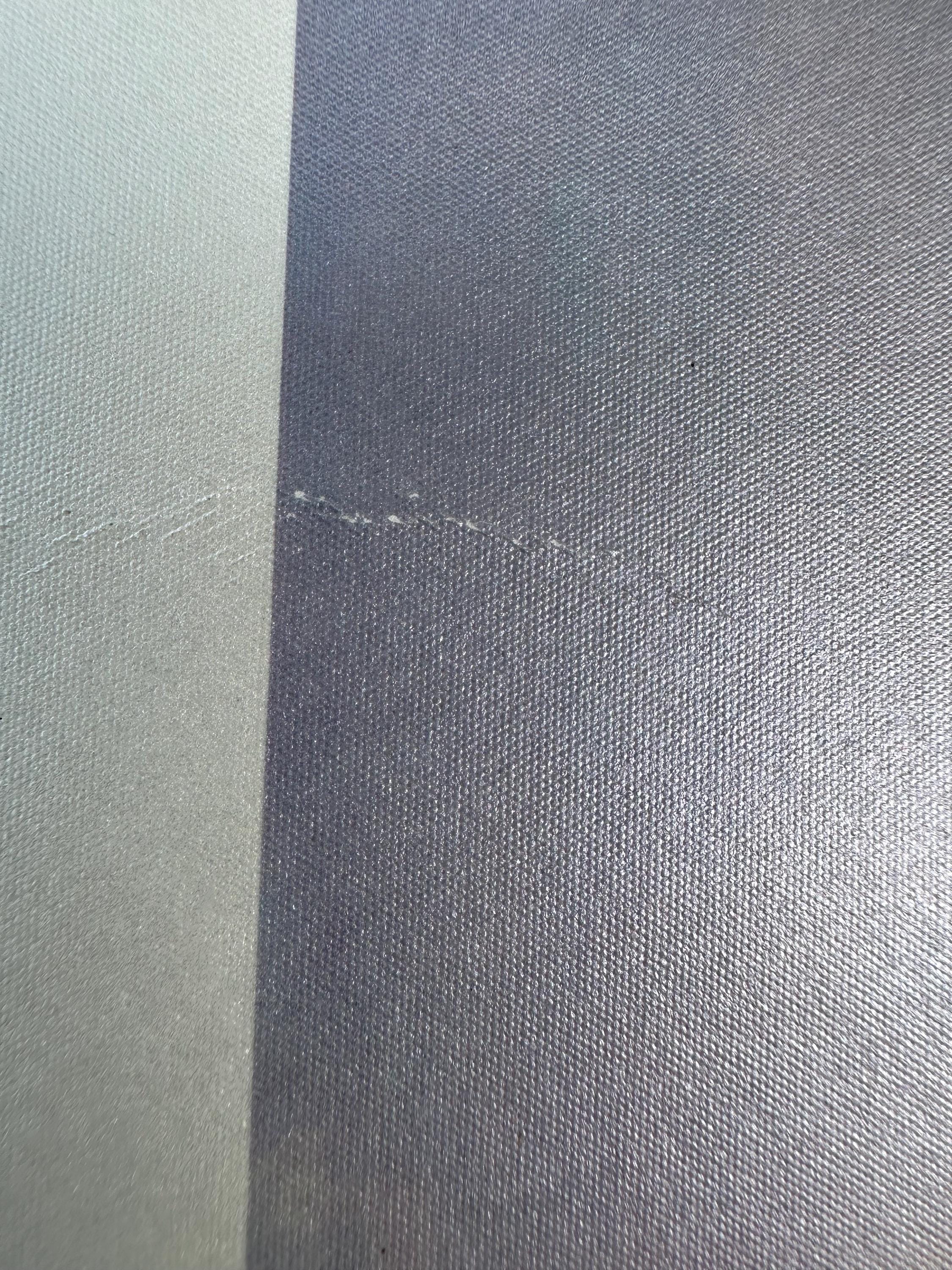
Jack Cardiff signed collotype print of Marilyn Monroe 1987
$7,631.84
Continuous Tone Collotype Lithographic Print from seventeen screens
30 × 22 in | 76.2 × 55.9 cm
This is a very rare limited edition print that was printed by a special printing process, called Continuous Tone printing, which uses no dots.
Jack Cardiff, OBE (18 September 1914 – 22 April 2009) was a British cinematographer, film and television director, and photographer. His career spanned the development of cinema, from silent film, through early experiments in Technicolor, to filmmaking more than half a century later.
He is best known for his influential color cinematography for directors such as Powell and Pressburger (A Matter of Life and Death, Black Narcissus, and The Red Shoes), John Huston (The African Queen) and Alfred Hitchcock (Under Capricorn). He is also known for his work as a director – in particular, his critically acclaimed film Sons and Lovers (1960) for which he was nominated for the Academy Award for Best Director.
In 2000, he was appointed as an Officer of the Order of the British Empire and, in 2001, he was awarded an Academy Honorary Award for his contribution to the cinema.
Jack Cardiff's work is reviewed in the documentary film: Cameraman: The Life and Work of Jack Cardiff (2010) and Terry Johnson's stage play Prism (2017).
About the Continuous Tone Printing Process:
Screenless lithography, by eliminating the use of halftone screens and halftone dots achieves extraordinary fidelity, fullness of tone, color and detail, impressive color saturation and clear line resolution. Museums, fine artists and publishers with exacting standards use this remarkable process to re-create their finest works of art. Continuous tone lithography (as in a photograph with no dots) evolved from collotype printing. When Black Box Collotype ultimately closed its doors in 2004, it was one of just a few printers left in the world that had mastered the collotype process. While it was a highly desirable reproduction process for the fine art world, it was a laborious, time consuming (read “expensive”) process. Since there was no screen involved, a collotype print could be 27 colors without fear of a moiré. But in the old days, on Black Box’s one-unit press, those 27 colors had to be laid down one color at a time. So the most complex jobs could take months to complete.
Offset lithography is far faster and less expensive than collotype. Suddenly, four colors and halftone dot patterns were “good enough” because they were so economical. Black Box Collotype was one of the last printing houses in America, if not the world that used the collotype-continuous tone process.
Payments
Payment taken by Paypal, credit card via iZettle and bank transfer.
Returns & Exchanges
Exchanges accepted within 7 days
Buyers are responsible for return shipping costs. If the item is not returned in its original condition, the buyer is responsible for any loss in value.
The following items can't be returned or exchanged
Because of the nature of these items, unless they arrive damaged or defective, I can't accept returns for:
- Custom or personalized orders
- Perishable products (like food or flowers)
- Digital downloads
- Intimate items (for health/hygiene reasons)
Returns and exchange details
I will gladly refund any any items within 14 days providing item is not as described.
Additional
All our items are lovingly packaged and sent so that they can be tracked online to your door